The Snowy Day (1962)
About This Book
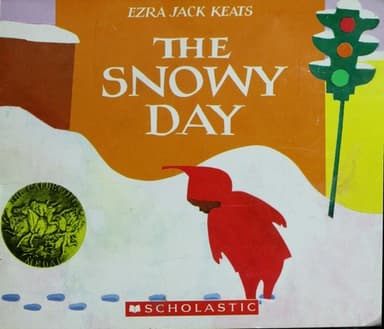
A young boy named Peter wakes up to find snow covering his neighborhood and spends the day making tracks, smacking snow off branches, building a snowman, and making snow angels. He tries to save a snowball in his pocket for later and discovers, with quiet sadness, that it has melted. Keats's collage illustrations glow with the muffled magic of a city transformed by fresh snow.
Why It's a Classic
Ezra Jack Keats made history with this book: it was the first full color picture book from a major American publisher to feature a Black child as the protagonist, published at the height of the Civil Rights Movement. Keats never draws attention to Peter's race within the story, which was itself a radical act; Peter is simply a child experiencing snow, and his joy is universal. The collage technique, using cut paper, fabric, and paint, creates textures that feel tangible: you can almost feel the crunch of snow under Peter's feet. The snowball in the pocket is one of picture book literature's most poignant small moments, capturing the way children encounter impermanence for the first time. Keats's palette of pinks, whites, and blues against Peter's bright red snowsuit makes every page visually stunning. The book won the Caldecott Medal in 1963 and opened the door for greater representation in children's publishing, a legacy that extends far beyond its artistic achievements.
Fun Fact
Keats based Peter's image on photographs of a young boy he had clipped from a 1940 issue of Life magazine and kept pinned to his wall for years before using them as inspiration. Keats himself was not Black; he was the son of Polish Jewish immigrants and grew up in poverty in Brooklyn. The book was initially controversial from multiple directions: some white parents objected to a Black protagonist, while some Black critics questioned whether a white author should tell this story.
Parent Note
The Snowy Day is gentle, quiet, and completely free of conflict or scary moments. The only potentially sad moment is when Peter's snowball melts in his pocket, which can prompt a good conversation about how some things cannot last. It is a wonderful book for all children from about age two onward, and its themes of exploration and discovery translate across every background.
Quick Facts
- Year
- 1962
- Type
- 📚 Book
- Category
- Classics
- Age Group
- Little Kids (Ages 3–6)