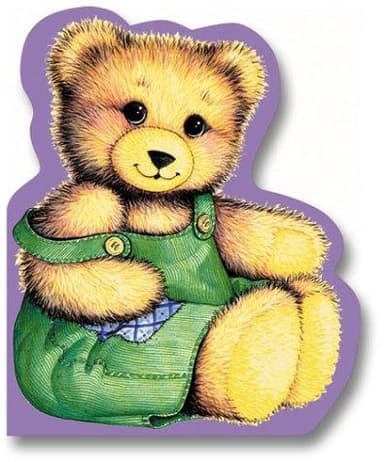
Corduroy (1968)
About This Book
A small stuffed bear sits on a department store shelf, missing one button on his green overalls, and no one buys him. After the store closes, he climbs down and searches the entire store for his lost button in a nighttime adventure that feels enormous from his tiny perspective. A little girl named Lisa comes back the next morning with her own money to take him home, and she sews on a new button herself.
Why It's a Classic
Don Freeman wrote a story about a stuffed animal that secretly contains one of the most powerful messages in children's literature: you do not have to be perfect to be loved. Corduroy's nighttime journey through the department store is rendered with a sense of scale that puts the reader inside a small bear's experience; the escalator becomes a mountain, and the mattress department becomes a vast landscape of hills. Lisa is notable because she is a Black girl making her own purchasing decision with her own saved money, a detail that was quietly groundbreaking in 1968. Freeman never sentimentalizes the relationship; Lisa does not pity Corduroy, and Corduroy does not grovel with gratitude. They simply recognize each other as friends. The final line, "You must be a friend. I've always wanted a friend," is one of the most emotionally direct endings in picture books, and it lands every time because Freeman earned it through restraint rather than manipulation.
Fun Fact
Don Freeman got the idea for Corduroy after seeing a small stuffed bear sitting alone in a department store and wondering what the bear might do after the store closed. Freeman was also an accomplished jazz musician who played trumpet in New York clubs during the 1930s. He once missed a subway stop because he was so absorbed in sketching, which led him to abandon music and pursue illustration full time.
Parent Note
There is nothing frightening or inappropriate in this book. Corduroy's solo adventure through the dark store might create a tiny bit of tension for very young listeners, but the resolution is so warm and satisfying that most children find the journey exciting rather than scary. The themes of friendship and acceptance make it an especially good choice for children who are navigating feelings about being different or not fitting in.
Quick Facts
- Year
- 1968
- Type
- 📚 Book
- Category
- Classics
- Age Group
- Little Kids (Ages 3–6)