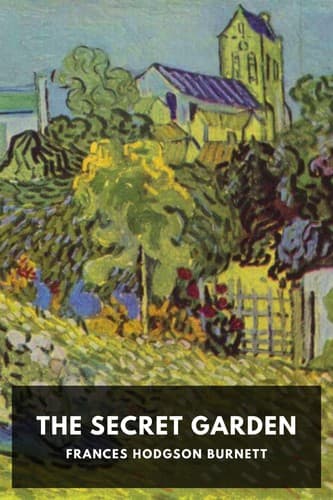
The Secret Garden (1911)
About This Book
Mary Lennox, a spoiled and sickly orphan sent from India to her uncle's gloomy Yorkshire estate, discovers a walled garden that has been locked and neglected for ten years. As she works to bring the garden back to life, she transforms herself, befriends a local boy named Dickon who can charm any living thing, and coaxes her bedridden cousin Colin out of his sickroom. The book unfolds like spring itself, slow and inevitable and miraculous.
Why It's a Classic
Frances Hodgson Burnett structured the novel as a double healing: Mary heals the garden, and the garden heals Mary. This reciprocal transformation is rendered with such botanical specificity and emotional precision that it never feels sentimental. Mary is an unusual heroine, beginning the book as genuinely unlikable, sour, demanding, and friendless, which makes her gradual softening all the more convincing. Burnett's descriptions of the Yorkshire moors and the garden itself are among the finest nature writing in English literature, grounding the story's themes of renewal in physical, sensory detail. Colin's recovery, rising from his bed and learning to walk in the garden, carries genuine power because Burnett earns it through dozens of small, credible steps rather than a single dramatic reversal. The book has inspired real gardens around the world and remains one of the most psychologically sophisticated novels ever written for children.
Fun Fact
Burnett was inspired by the rose gardens at Great Maytham Hall in Kent, England, where she lived and wrote for several years. The book was not considered her most important work during her lifetime; Little Lord Fauntleroy was far more famous when she was alive. It was only after her death that The Secret Garden gradually rose to be recognized as her masterpiece, driven largely by readers rather than critics.
Parent Note
Mary's parents die in a cholera epidemic in the opening pages, and Colin believes he is dying for much of the book. The emotional content is handled with subtlety and depth. Some of the Yorkshire dialect can be challenging for young readers. Best for ages 8 and up, and it makes a particularly rewarding family read-aloud.
Quick Facts
- Year
- 1911
- Type
- 📚 Book
- Category
- Classics / Literature
- Age Group
- Kids (Ages 7–10)