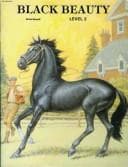
Black Beauty (1877)
About This Book
A handsome black horse tells the story of his own life, from a happy foalhood in the English countryside through a series of owners, some kind and some cruel, who illustrate the full range of how humans treat the animals in their care. The book takes you inside the experience of being a horse: the pain of a tight rein, the terror of a burning stable, the comfort of a gentle hand. It's an animal story that changed the real world.
Why It's a Classic
Anna Sewell wrote Black Beauty as what she called "a little book for those who work with horses," and it succeeded beyond anything she could have imagined. The novel's impact on animal welfare legislation was direct and measurable; it led to the abolition of the bearing rein (a device that forced horses to hold their heads painfully high) and influenced the founding of animal protection organizations. Sewell's decision to tell the story from the horse's perspective was groundbreaking, forcing readers to see familiar cruelties from the victim's point of view. The prose is plain and declarative, which gives the suffering and kindness equal weight and avoids melodrama. Each change of ownership represents a different philosophy of human-animal relationships, making the book a systematic argument disguised as a narrative. Sewell died just five months after publication and never knew the full extent of her book's influence.
Fun Fact
Sewell wrote Black Beauty over the final years of her life while suffering from a debilitating illness that made her largely housebound; she dictated much of it to her mother. She sold the manuscript for twenty pounds and died five months after publication, never knowing the book would sell over 50 million copies. The novel was originally written for adult readers, specifically for people who worked with horses, and was only later reclassified as a children's book.
Parent Note
Horses suffer physical abuse in several chapters, including whipping, overwork, and neglect. A horse dies in a fall, and another is worked to the point of collapse. The cruelty is never gratuitous; it serves the book's purpose of advocating for humane treatment. The emotional content is heavy at times. Best for ages 9 and up, particularly for animal-loving children.
Quick Facts
- Year
- 1877
- Type
- 📚 Book
- Category
- Classics / Literature
- Age Group
- Kids (Ages 7–10)