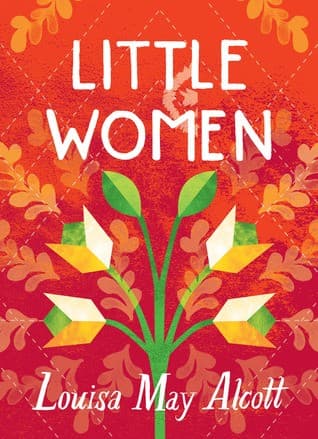
Little Women (1868)
About This Book
Meg, Jo, Beth, and Amy March grow up in Civil War-era New England with their mother Marmee while their father serves as an army chaplain. The sisters fight, dream, fail, and support each other through poverty, illness, heartbreak, and the complicated business of becoming adults. Jo, the ambitious, hot-tempered writer at the center of the story, remains one of the most compelling characters in American fiction.
Why It's a Classic
Louisa May Alcott drew on her own family life so directly that the novel reads as memoir disguised as fiction, and that authenticity gives it a warmth and specificity that purely invented stories rarely achieve. Jo March blazed a trail for female characters in fiction; she is angry, ambitious, uninterested in convention, and determined to make her living as a writer, and Alcott refuses to sand down her rough edges to make her more palatable. The death of Beth is one of the most devastating sequences in American literature, earned through the accumulated weight of hundreds of pages of family life. Alcott's publisher asked her to have Jo marry Laurie, and her refusal, on the grounds that Jo would never make that choice, is one of the great acts of artistic integrity in publishing history. The book invented the template for realistic domestic fiction and influenced everything from Anne of Green Gables to contemporary coming-of-age novels.
Fun Fact
Alcott did not want to write the book; her publisher asked for "a book for girls," and Alcott said she found girls boring. She wrote it in two and a half months, and it became an instant bestseller. Jo's refusal to marry Laurie generated so much angry mail that Alcott wrote in her journal, "I won't marry Jo to Laurie to please anyone." Alcott based the March family directly on her own: Jo is Alcott herself, and Beth's death mirrors the death of Alcott's sister Lizzie.
Parent Note
Beth's prolonged illness and death are handled with emotional honesty and can be deeply affecting. The book deals with poverty, sibling rivalry, and the limitations placed on women in the 19th century. The language is dated, and the book is long. Best for ages 10 and up, and children who love it often become lifelong rereaders.
Quick Facts
- Year
- 1868
- Type
- 📚 Book
- Category
- Classics / Literature
- Age Group
- Kids (Ages 7–10)