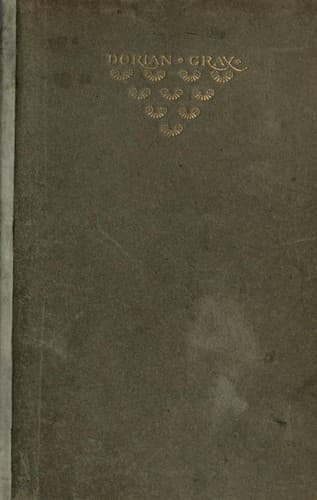
The Picture of Dorian Gray (1890)
About This Book
Dorian Gray is so beautiful that a painter captures his likeness in a masterpiece, and Dorian, terrified of losing his youth, makes a wish that the portrait will age instead of him. As Dorian plunges into decades of cruelty and excess, his face remains perfect while the hidden painting becomes a rotting record of every sin. Wilde turns a Gothic premise into a dazzling philosophical novel about art, beauty, and moral corruption.
Why It's a Classic
Oscar Wilde loaded this novel with some of the most quotable lines in English literature, from 'The only way to get rid of a temptation is to yield to it' to 'Each man kills the thing he loves,' and his epigrammatic style makes every page crackle with intelligence. The novel operates simultaneously as a Gothic horror story, a philosophical dialogue about aesthetics, and a coded exploration of Wilde's own homosexuality, written in an era when such themes could only be expressed through subtext. Lord Henry Wotton, who seduces Dorian with ideas rather than actions, is one of fiction's great tempters, and his speeches about pleasure and beauty are so persuasive that readers find themselves nodding along before realizing they are being corrupted alongside Dorian. Wilde's only novel was used as evidence against him in his obscenity trial in 1895, making it literally a dangerous book. The central conceit, that the consequences of our actions cannot be hidden forever, has resonated with every generation since.
Fun Fact
When the novel was first published in Lippincott's Monthly Magazine, it was so controversial that the magazine's editor censored parts without Wilde's permission, removing references to homosexuality and explicit sin. Wilde then revised and expanded the novel for book publication, adding six chapters including the entire subplot about the actress Sibyl Vane. During his trial for 'gross indecency,' passages from the novel were read aloud as evidence of Wilde's 'immoral' character.
Parent Note
The novel contains implied sexual content, references to drug use (opium dens), suicide, and murder. The homosexual undertones, while never explicit, are present throughout and were considered so scandalous in Wilde's era that they contributed to his imprisonment. The prose style is ornate and Victorian, which some teens may find dense. It is appropriate for ages 14 and up and works especially well for readers interested in art, philosophy, or LGBTQ literary history.
Quick Facts
- Year
- 1890
- Type
- 📚 Book
- Category
- Classics / Literature
- Age Group
- Teens (Ages 14–17)