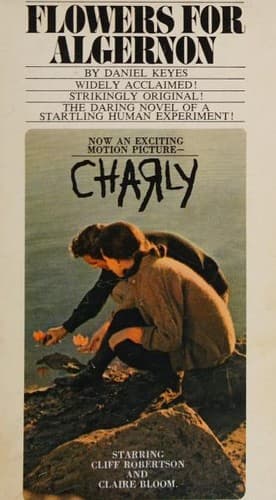
Flowers for Algernon (1966)
About This Book
Charlie Gordon, a man with an intellectual disability, undergoes an experimental surgery that triples his IQ, allowing him to experience the world with a genius mind for the first time. His progress reports, written in his own voice, chart his transformation from simple kindness through dazzling brilliance and back again. It is one of the most emotionally devastating reading experiences in all of fiction.
Why It's a Classic
Daniel Keyes made a structural choice of genius by telling the entire story through Charlie's first person progress reports, so the reader literally watches his spelling, grammar, and complexity of thought improve and then deteriorate on the page. This technique makes the emotional impact inescapable; you are not observing Charlie's tragedy from the outside, you are inside it. The novel raises profound questions about intelligence, dignity, and whether knowledge is worth having if it brings awareness of how cruelly the world treats those who are different. Algernon, the lab mouse who received the treatment before Charlie, serves as both a companion and a devastating foreshadowing device. The book won the Nebula Award and has remained continuously in print for nearly sixty years because its central questions about what makes someone truly human never grow old.
Fun Fact
Keyes originally published the story as a short novella in The Magazine of Fantasy and Science Fiction in 1959, winning the Hugo Award, before expanding it into the full novel. He was inspired by his experiences teaching English to adults with intellectual disabilities and by a student who asked him if he studied hard enough whether he could be 'smart.' Keyes spent the rest of his career turning down requests from Hollywood producers who wanted to give the story a happy ending.
Parent Note
The novel's emotional content is its most intense element; Charlie's loss of intelligence and awareness of what is happening to him can be genuinely heartbreaking. There are scenes where Charlie realizes his coworkers were mocking rather than befriending him, which can be painful to read. The novel includes a sexual relationship and references to childhood abuse, handled with sensitivity but present. It is appropriate for teens 13 and up, though parents should be prepared to discuss its themes of disability, dignity, and loss.
Quick Facts
- Year
- 1966
- Type
- 📚 Book
- Category
- Fantasy / Sci-Fi
- Age Group
- Teens (Ages 14–17)