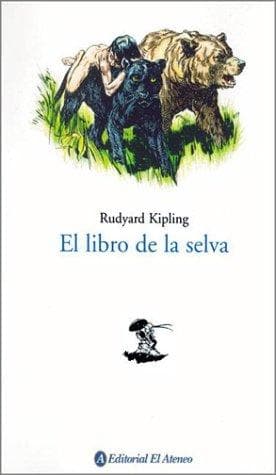
The Jungle Book (1894)
About This Book
A human boy named Mowgli is raised by wolves in the jungles of India and learns the Law of the Jungle from Baloo the bear and Bagheera the panther while facing the murderous tiger Shere Khan. The stories pulse with the rhythms and dangers of the wild, from Mowgli's acceptance into the wolf pack to his final confrontation with Shere Khan. Beyond Mowgli, the collection includes standalone tales like Rikki-Tikki-Tavi, the mongoose who defends a family from cobras.
Why It's a Classic
Kipling's prose has a muscular, incantatory quality that sets the book apart from gentler animal stories. The Law of the Jungle is presented as a genuine moral code, with real consequences for those who break it, giving the stories a weight that children instinctively respect. Mowgli's position between the human and animal worlds creates a tension that runs through every story; he belongs fully to neither, which makes his journey fundamentally about identity. The Rikki-Tikki-Tavi story is a masterclass in suspense, building to a climactic underground battle that rivals anything in adult fiction. Kipling also weaves Indian landscape and culture into the fabric of the stories with a vividness that transports readers completely.
Fun Fact
Kipling wrote The Jungle Book while living in Brattleboro, Vermont, drawing on memories of his early childhood in Bombay rather than firsthand jungle experience. The book was so popular that it became the basis for the Cub Scouts program; Baden-Powell adopted Akela (the wolf pack leader) and the concept of the wolf pack for Cub Scout organization. Disney's animated adaptation in 1967 was the last film Walt Disney personally supervised before his death.
Parent Note
The stories involve animal violence, including hunting and killing, portrayed as natural parts of jungle life. Kipling's writing reflects Victorian-era colonial attitudes, which older children and parents may want to discuss. The language is rich and occasionally challenging, making this a great read-aloud for ages 7 and up or an independent read for ages 9 and up.
Quick Facts
- Year
- 1894
- Type
- 📚 Book
- Category
- Adventure
- Age Group
- Kids (Ages 7–10)